• Redemption. The word itself is entangled in its own ambiguous identity. What is it, and is it truly different from atonement? From justice? From vengeance? Is it something to strive for or something granted by those we have wronged? As such, is it something that is achieved, or something that is bestowed, and does it follow a straight path, or does it loop us back to who we were before the sin?

    While writing Sinners & Saints (releasing July 3rd *wink wink*), the theme frequently arose for me (well, for the characters inhabiting this fictional world). But as often happens, the themes discussed and the ideas that emerged reflected much of my own experiences – enough to get me thinking about the concept of redemption as a whole.

    In the end, I’ve come to understand that redemption is not the straight road it might seem. Nor does it bring us back to who we once were. We are not purged by redemption; the blood still stains our hands. But as we carry on along our winding journey, we learn to live with the stains.

    An Unexpected Journey

    By its very nature, redemption must follow the fall. The first act, the event that triggers the loss of innocence. Sometimes this might be one single act – an act so treacherous and tragic that an immediate response is necessary. Sometimes it is a thousand small cuts to one’s character, gradually transforming someone into a person others would no longer recognise.

    For many of the ‘villains’ I write about – some already such when we meet them, others more developed over time – those actions are not always entirely wrong. The journey may begin before we even realise our feet are moving – actions that destroy, hurt, or reveal darker truths about ourselves. But they are still our actions, and in doing so, we are often blind to the impact they have.

    In fact, rationalisation is by far our worst irredeemable trait. We tell ourselves we are doing what we must or what we should. It’s only afterwards, when the dust settles and the blood begins to dry, that we recognise it for what it is. The next step in the journey.

    A Realisation

    To begin to redeem yourself, the first step is recognising that what was done is wrong. This might seem simple, but it is far from easy. In fact, it is the part of the process that is as necessary as death is to resurrection – painful, yet essential for what is to come.

    Many of us do not realise that this is how it should be. We cling to the idea that what has happened cannot be changed. There is no acknowledgement or recognition of the hurt caused. This is what makes villains irredeemable. If we cannot move ourselves away from the belief that our actions were justified, then we leave no opportunity for the light to shine through. Our journey ends here.

    That is not to say we must accept that it shouldn’t have happened. Often, characters will know there was no alternative, but it does not matter. The effect is what matters. The pain is what matters. The impact on another person or persons—that is what counts. That makes the difference between acknowledging you have done wrong and accepting the full cost of it.

    A Fork in the Road

    So, what’s next? We reach a fork in the road. One path loops us back on ourselves, but like some critical point, it can never take us back before the sin. Instead, it leads us into our own logically disordered thinking and self-justification. The direction depends on where redemption comes from and whom it is for. It is when we are asked the question, how can I do better?

    We can justify our actions to ourselves, apologise without admitting fault, and write entire memoirs explaining why we did what we did. Our villains often behave the same way. They see a choice between truth and taking the easier route, and choose to sleep better at night. Or at least, their version of better.

    The other fork leads us down a harder path – confronting it. With the very real possibility that there is no reward at the end, no bright future, no day when you can say ‘I am clean’. You and your villains must accept that possibility, that your understanding of what has been done is by itself not enough to undo the hurt that has been caused. It is up to them, the ones you have hurt, to forgive you or not.

    All you can do is stand proud, tall, and honest. Try to do the right thing, the better thing, the new path. Fail. Get back up. Try again. Fail again. And so on, each time getting closer to something that feels… right.

    A New Beginning

    When we, like our characters, find ourselves in need of redemption, many of us wish things ‘would go back the way they were’. We would like to undo the past and return to a world where we never caused harm. But that’s not how redemption works in real life, so it shouldn’t be how it functions for our characters.

    We walk, hand in hand with the memories of our actions, both good and bad. We are shaped by them, forged into the person we are now. We reach the end of one journey and realise that beyond us is a winding road leading to the next stage. Onward still. There is no back again, there is only there, some spot on the horizon that guides us eventually to the clearing at the end of the path.

    This is why, when I write about trauma, villains, or heroes, they carry their pain and experiences with them. Chapter after chapter, book after book, story after story.

    Because even when I am writing redemption, I can never unwrite the stories that got them there. I can only, like myself, move ever forward, towards something new. Towards the horizon.

    Rick Rawes
    Leeds, West Yorkshire
    8th May 2026

  • There’s a moment in every series when things begin to change irrevocably. Sometimes towards greatness, sometimes towards chaos, sometimes both. Episode 5 is when it hits the fan, so to speak, when the architecture of the year as a whole begins to reveal itself.

    Bloodier and more brutal, this episode sees the introduction of a very different kind of antagonist. More is revealed about the history of one of our more mysterious characters – and by the end, everything will begin to change in ways none of the young heroes can yet comprehend.

    And this is only the beginning…

    Read the beta episode here…

    Or, catch up with the other episodes here…

    Or if you’re waiting for the collected edition, ‘til the End of the World: New in Town (Year One · Volume I) is releasing 29th May in eBook and Paperback, collecting together Episodes 1 to 5 with brand new bonus features. Check out the link above!

    As always, thanks for reading and have a lovely weekend! Until next month…

  • By eck, we get around a bit, don’t we? This week’s blog post is all about a quick introduction to the thinking behind the universe. Not the real one, my one – and some of the inspiration I’ve drawn upon to craft it. Very mild spoilers ahead (nothing world-ending) but I thought I would forewarn. This is a little journey, into the where’s and wherefores of these novels and why we got there.

    So, with our satchels packed (hopefully with a nice lunch) let us don our sunglasses and step foot onto the road. This first place may seem a little familiar to you. Well, some of you.

    Earth

    Image Source

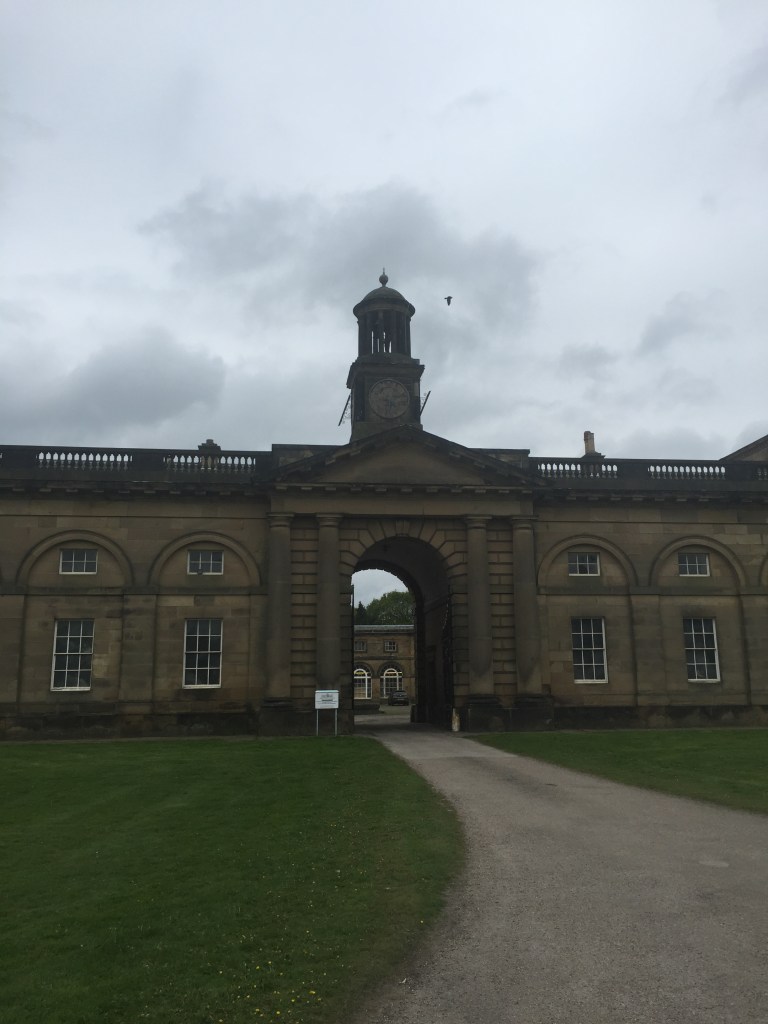
    So, welcome to Earth. The main realm. The middle bit of the whole universe. Not because other planets in other far flung corners of the galaxy don’t have every right to be the centre of the universe, it’s just as a writer we’re taught to at least start where you know. And I’ve been around on Earth for going on thirty-odd years by now (shush, not forty yet). And so, we start here.

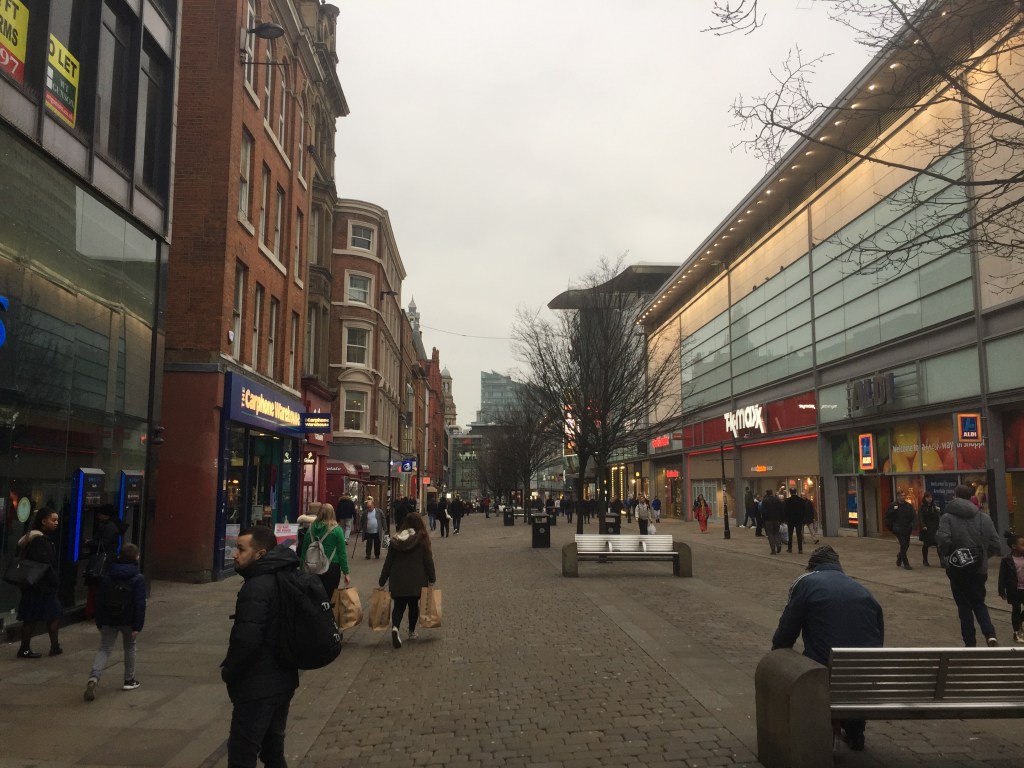
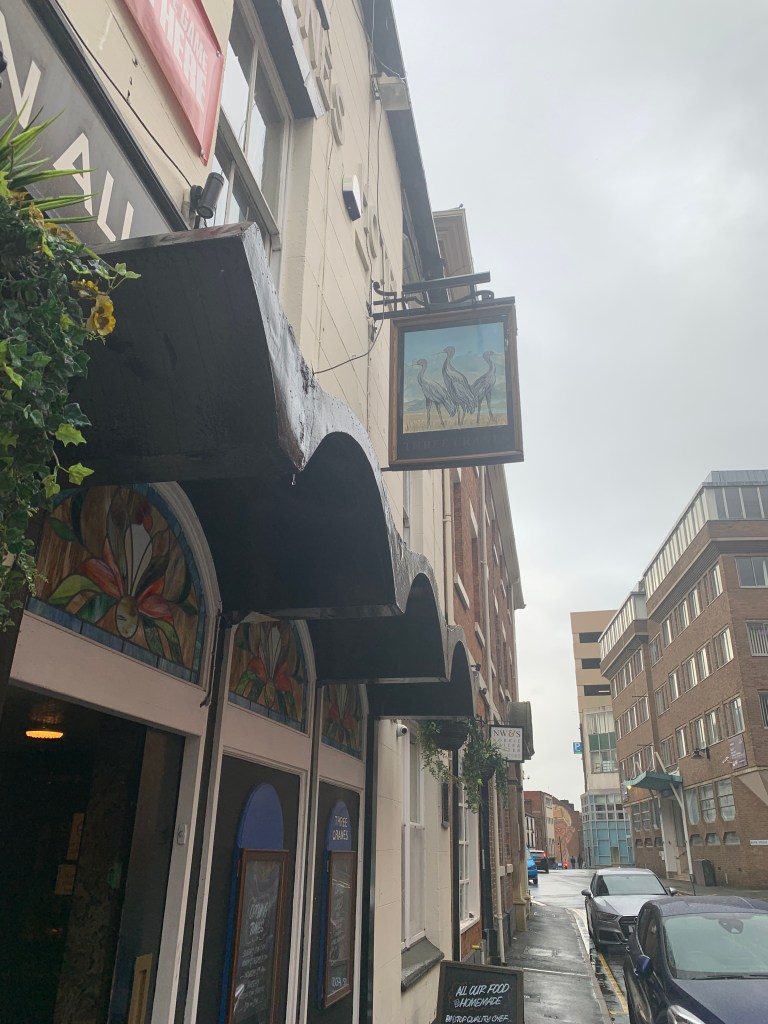
    That’s not to say Earth is a particularly boring place. It’s large, it’s been around about 4 billion years and is host to a whole bunch of beings. Some supernatural, some technological, and some plain annoying. You’ll notice many of the stories are set around Manchester – for two reasons. The city itself is very near and dear to my heart, being the closest city when growing up, so responsible for many fond memories, and also where I did my time in university. Also, where I had my first dodgy kebab coming out of a chip shop at three in the morning after a night on Canal Street. But hey, at least I didn’t eat pizza off the floor of the bus like one of my peers.

    The second reason Manchester is the focus is because I kind of want to see a bit more North in contemporary fiction. Don’t get me wrong, award winning books and movies have been set in the north of England. But as much as Full Monty and Chicken Run may have dominated the cultural zeitgeist, where were the dragons? Where were the car chases down Canal Street or a super-powered bust up in Picadilly Gardens? Where were the places I could recognise?

    Yes, the Eifel tower might be impressive and all, but there’s something undeniably attractive about the idea of a unicorn fight out the front of a Greggs you’ve frequented.

    I generally go with a rule of thumb. Most real places featured in the books – Santorini, Malta, Liverpool, Manchester, London – are places which I’ve been to. I’ve walked those streets, I’ve experienced those places and I’ve added them into my books. Where I haven’t, I may tend to make fictionalised versions. For example, in the upcoming Sinners & Saints we visit the Central American nation of Manantiala and the sand-strewn deserts of Kitbhutan. But largely, by and by, if you visit a place in one of my books, it’s because I’ve been there for you – and want you to have that same feeling of – wow, I recognise that.

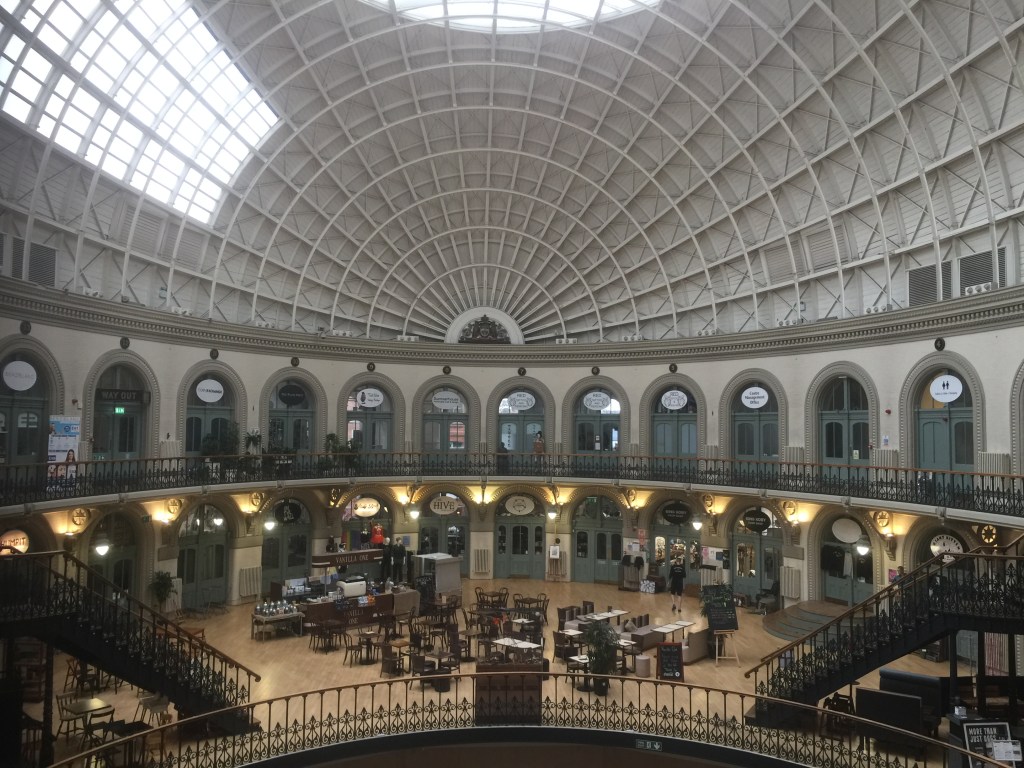
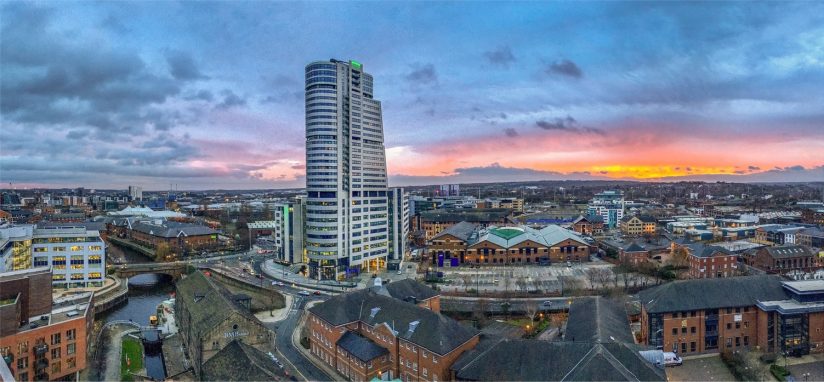
    In upcoming novels there’s plenty of new places too, because I always love to travel and who wants to stay in one place anyway? So, there’s a touch of Egypt (readers of Bastet might be able to figure out why), perhaps a somewhat autobiographical move to Leeds for some, and a whole new novel set in Sheffield. Exciting times.

    Anyway, that’s earthbound. But as a certain young man says in an iconic 80s sci-fi horror western crazy novel, there’s other worlds than these – so let’s move on.

    The OtherWorld

    Image Source

    Perhaps one of the closest realms to Earth is the OtherWorld. Now in early British mythology (before there were stricter borders such as England, Wales, Scotland) there was the concept of the OtherWorld. An idea of a place where all manner of magickal creatures lived. A world that lay alongside our own in a way that felt like a thin layer of gossamer paper over an image you could almost just see underneath. Here there were monsters, there were faerie folk, and dragons and unicorns and all manner of things.

    When I first starting writing Avalon, the OtherWorld became the catch-all for so many of these beings. A realm, just next door, perhaps overlayed with our own, in which all manner of creatures lived. Though we haven’t been there in person (yet), it is a rich and textured world, overlayed with it’s own rules and hierarchies and social strata. You just have to listen to the way Linda speaks with derision about the Earth Elementals to get it’s not all rainbows and puppies (apparently, they smell like wet dog).

    The principle established here though, is the idea of layering. The universe is layered. Now don’t ask me to explain the physics behind it, but somewhere in the quarks and quasars of multidimensional thinking, there’s ideas about other worlds. Places that exist alongside our own along boundaries and borders that are somehow unseen to us. This is not a new concept, this is simply something I’ve woven in.

    The OtherWorld is exactly that – other. It is overlayed with our own, vibrating at a similar frequency if you like. I suppose you could also argue that it is not necessarily a bad place. It is different. It is a place where there are monsters, and there are good folk. Morally balanced, if strange and different. And some day – one we’ll visit. But for now, let’s move away from morally balanced – and perhaps speculate on something a little darker.

    UnderWorlds: Anwnn

    A little further down the Spiral there are the Underworlds. These are worlds still laid over our own in some multidimensional physics kind of a way, but these realms are not quite so morally balanced. These are places where the souls reside, the places of death and darkness. One such hell dimensional prison is about to feature prominently in the upcoming ‘til the End of the World series, but perhaps so far, the most well-fleshed of them all is Anwnn.

    Anwnn in Welsh mythology is a dark underworld ruled over by King Arawn. A place of punishment and pain. But when I heard about it (I think I was listening to a podcast at the time) an image struck me. A long beach, without end, the walls too steep to climb on one side, tumultuous waves on the other. The sun cold in the sky, the world desaturated and grey and dull. This image came to me so strongly, and stuck around so fiercely, it became the first visual other world we ever went to – as anyone who’s read Avalon: Faerie Tales will know.

    Because each of these realms lie in their own little pocket dimensions, tucked away in the folds of our world a bit further down, Anwnn will not be the last under world we will visit. In fact, any you can think of – Tartarus, hades, Duat – they’re all there somewhere in the universe. Some of them perhaps closer than we know.

    And now we’ve seen the darkness out there in the universe, what about that within ourselves? Let’s journey inwards.

    The ThoughtScape

    Image Source

    The last major realm featured prominently in the novels so far is the ThoughtScape. Imagine yourself eating a burger at the age of three. Now image a crow flies into the window of where you are, tells you that your burger is free of relish and produces a small bottle of the condiment for use. Now that thought exists, in your mind’s eye. As surreal and bonkers as it is. So where does it go when it leaves you?

    That’s the idea behind the ThoughtScape, majorly featured in Insomniac. It is less of a physical place and more of a metaphysical plane of existence. The dumping ground for all errant though that exists in sentient beings. A place of wonders – where you are able to endlessly dance at your wedding with loved ones who’ve passed on. But also, a place of nightmares – where our darkest impulses and thoughts are given terrible form. A place of thought.

    It arose from a simple premise – and probably not a particularly original one. As a writer I make worlds. What happened to those worlds when they were on the pages? What if, by thinking about them, I made them real. Somehow, somewhere? What if my dreams were real in a way I couldn’t reach? And the more I learn about the way our universe works, the blurry line between conscious thought and objective reality, the more I begin to wonder if there isn’t a little something more to the idea.

    Perhaps a little Dark Half, perhaps a little shaped by the idea of tulpas – the ThoughtScape is one of those places that’s a little hard to get out of your mind. And so, it will make a return, perhaps in some unexpected ways. Which, speaking of, you may want to stop listening to Boney M. Just sayin’.

    Home Again

    Photo by Ollie Craig from Pexels: https://www.pexels.com/photo/high-angle-view-of-a-city-16666012/

    We’ve journeyed a distance even if those few places – and maybe not necessarily in miles but certainly in thought. A grand plan, a map of the universe, with a few places laid out for you. If these places seem like ones you want to visit, all the books are available with more to come.

    But I suppose the last thought I’ll leave you with is this. A lot of the places I’ve been to, and a lot of the places I haven’t. Imagination is the key which bridges those two things – and all of us have imaginations of our own to tap into and play around with. Go visit other places, even if you can’t in body – do so in mind. That’s one thing we should all do more of, whether we commit it to paper or not.

    And to the writers of the world out there, if you’re going to write about this world, maybe take a look at the other places you can go. Don’t get me wrong, I love London. As a UK based author, so much I see takes place in London. But maybe don that cap, grab that satchel and stick on those (incredibly optimistic) sunglasses and travel.

    Head North, come to see us up in Manchester. Or maybe bob over to Leeds, or to Liverpool (sorry to readers of Fire & Water, I promise it’s still there!), or maybe even to Sheffield. Head further up to Scotland and see the majestic mountains or take a trip out to the beautiful valleys of Wales. Hop across the pond to Belfast and see what’s over there.

    Because, as much as I love other worlds, when it comes to writing and reading about this one – there’s life beyond the Thames. There’s other worlds, right here. Come explore them too.

    Rick Rawes
    Leeds, West Yorkshire
    24th April 2026

  • Image by Thomas Budach from Pixabay

    I wake in the morning and sometimes I feel grey. I’ll start a conversation in the middle, having skipped seventeen different plot twists in between. I’ll overthink an interaction with a human being to the point of simply being unable to do it.

    My point, and trust me I do have one, is that I think. From the moment I wake, to the moment I sleep – and even afterwards as my brain goes into the funk land of dreams – I have conscious awareness. It comes in waves and patterns that are simply my experience. What we as writers do, or I think what we try to do, even if we don’t always succeed – is try to think like someone else.

    Not easy, is it?

    To write as though you wake in a morning and immediately run through the upcoming day in your head. To write as though the feel of any fabric against your skin makes you want to scream. To write as though you forgot where your sentence started, when…where was I again? To live and inhabit someone else’s world is a true challenge – but shouldn’t we all do it?

    Quick Disclaimer

    This post is in honour of April as Autism Awareness Month – with broader discussion of neurodivergence as a whole. I don’t have a diagnosis of any neurodivergent condition, nor is it my place to comment on whether diagnosis is even appropriate. Please, by all means do educate yourself further on this topic through great charities such as the National Autistic Society or the Daisy Chain project, among many others.

    What I’m going to discuss here is very much about thinking differently – hence, neurodivergence, as the best place for an author to start. I mean no disrespect, quite the opposite. If we were to all take a moment to think other people might think differently to us – maybe the world wouldn’t be quite as much on fire.

    Or maybe it would, just for different reasons – like all of us trying to focus on seventeen things at once.

    So with that said, why does the work of authors matter? Let’s consider representation.

    Representation

    Like many people, I don’t think my first experiences with understanding neurodiversity came from a particularly positive source. Unfortunately, the eighties, nineties and even early noughties of my youth were hardly the most representative.

    Where neurodivergent conditions were named, or heavily suggested to be the case, they tended to fall into a few categories. Tourette’s was played for laughs, with tics and swear words being ‘so funny’. Or ADHD, particularly focusing on children. Who doesn’t remember a haggared looking Lynette run around on Desperate Housewives considering whether to medicate her poorly behaved children? (I guess anyone who never watched the program). Or anytime someone had autism or similar conditions – Rain Man for example – they would immediately be a complete savant with either music, math or some other incredible skill.

    And to be fair, this hasn’t exactly changed in a lot of genres, Sci-Fi in particular. The Predator came under fire for so many things (many of them valid – I mean, gene enhanced yautija, come on) but also because once again a young kid with neurodivergence was a savant. Or Touch, the short-lived Kiefer Sutherland-led series in which his young son had an incredible affinity for maths which…okay I have no idea what was going on even by the end of the series. Aliens, maybe?

    Other series have done it well. Many readers have found The Curious Incident of the Dog in the Nighttime to be a strong example of positive representation and how it can be done right – though granted not unanimous. It can be done. So it should be.

    What Can We Do?

    So starting from a pretty low bar, what can we as authors do? Some may say, why even bother? Should it really be our place to try to represent something which is so multi-faceted and also so different to the neurotypical experience of many of us?

    To that I would say, I agree, I’m not an expert on neurodivergence. I’m also not an expert on dragons. I’ve never been to the OtherWorld or the Thoughtscape or Anwnn, or any of the other realms I write about. I’ve never been stalked by a psychic projection of my own subconscious guilt, nor fought a day in my life.

    And in terms of characters? I’m not an expert on autistic people. But I’m also not an authority on the lived experience of people who identify as BAME or trans. I’m definitely not an expert on women – and honestly, can I really represent straight people?

    There’s a point there somewhere.

    We’re writers, our imagination is absolutely our tool. But our imagination also has a responsibility to be somewhat fair. We get some experience, we talk to people who DO live those experiences – I had great conversations with a friend with adult ADHD about his thought processes. And where we don’t have lived experience like that to draw on – we educate ourselves.

    And if after that, you’re still wondering whether you can do a neurodivergent character justice? Or don’t want to offend someone with an iffy representation? Then maybe, just start with thinking about thinking. Making our characters diverse, in thought processes as well as physical appearance, emotional responses etc – that in itself will help to go some way towards a healthier representation of the human experience. The rich fullness of it. Someone may read it some day and feel a little more seen.

    The only thing to not do, is repeat the mistakes of the past. Maybe don’t make someone’s tics a punchline, because it’s been done before. If your story requires a savant, maybe consider if it really does have to be a young boy who’s otherwise uncommunicative.

    Summing it Up

    In short, representation only goes wrong when you either repeat the mistakes of the past, or push forward with an ignorant present. All it takes is to try. To think about thinking. Your own and those outside your own experience.

    So whatever you think when you wake in a morning, wherever in a conversation you may start – beginning, middle, or end – or whatever first springs to mind when you’re faced with the dreaded human interaction – maybe your character will approach those differently.

    And if you’re unsure how differently? That’s when we ask.

    That’s when we learn. When we think, whatever way we do that.

    Rick Rawes
    Leeds, West Yorkshire
    Friday 10th April, 2026

  • Here we go, another book, another cover! Only this time around it’s not ‘another book in the wall’. Before the reveal, I’ll share a little bit about the process that’s gone into getting here, especially for those who’ve been with me since the beginning.

    The Long Road to Now

    Over the years the Heroes & Demons series has gone through a few iterations. My first fumbled attempt as a newbie came in 2017 with Heroes & Demons, using the original KDP cover creator (I cringe – what the heck a gargoyle over Paris had to do with the story, I don’t know). Reworked for the sequel, Hope & Fury, using free stock images and a bit more finagling. Better, but still not what I always wanted.

    Then last year, as Book 3 Fire & Water was due to be released, a good friend – a fantastic graphic designer – stepped in (paid of course). Using a combination of his wizardry , and my symbolic vision, we produced a brand new look. The horseman trilogy was complete – but one thing led to another and then my friend was unable to commit to helping further (paid or not).

    So, I was left with the indie author’s dilemma as Book 4 approached; three options before me:

    • pay upwards of £1000 for a professionally done book cover by a talented graphic artist
    • turn to the dark arts of AI to generate a technically proficient but obviously generated cover
    • roll up your sleeves and try to learn design for yourself

    Well, to be completely clear, I’m not made of money (as many indie authors aren’t – and the snooty ‘spend money to make money’ brigade can clear off) and, when it comes to using generative AI for art of any kind other than as your own mood board, I’m not willing to compromise my morals.

    Learning a whole new bunch of graphic design skills it was then! And, since trying to create my own version of the previous covers’ work and match it up to Book 4, I ended up having to go back and start from scratch with all of them. More than that I wanted to, to play and tinker and create in a whole new way seemed like a challenge but one I was ready for.

    What Came Before…

    First, Heroes & Demons. Deep blues combine with the alchemical symbol for water, beginning as we do with deep revelation.

    Then, Hope & Fury. Less about revelation, and more about fracture. Soft dark greens of the marble wrap and the elemental symbol of Earth – combine to showcase war.

    The last of the older books, Fire & Water leant heavily into duality. The alchemical symbol for fire the central focus, while burnished oranges of marble showed just how much the world was set on literal fire. And, as anyone who’s read it knows, that’s only half the story – the duality runs deeper than flames alone.

    The Biggie – Sinners & Saints!

    And here we go, the end (well, penultimate novel). Where everything changes. We finish our elemental motif with air. We keep the marble effect, only now leaning very much into the palette of dried blood. Wounds which linger, which stay with us, which scar. The cover for Sinners & Saints isn’t just a continuation of the theme, it’s fulfilment of a promise. That though the story will change, it’s still not over – nor will the sins of the past be forgotten.

    Here’s the culmination of everything we’ve been working toward:

    Let Me Know What You Think

    There we go, let me know what you think either in the comments or via various socials! But remember, while I appreciate feedback, I also believe in respect. The internet is enough of a wild west that if you’re here for the trolling, keep scrolling. Otherwise, let me know what you think. And if it’s enough that you want to check out the book, it’s releasing 3rd July, 2026 – you can find all the details here.

    A Little Note for Other Indie Authors

    A last little word before we head off this time around – although mainly this goes to my fellow independent authors out there in the world. You do you. Truly. Most of us do this with no one to hold our hands and tell us its going to be okay. Social media is a minefield of negativity, of put-downs, and somehow worse than all that – of deafening silence. You probably don’t have an endless coin-purse, an entire marketing department, and the endorsement of celebrities and influencers.

    But what you do have, what we all have, is a story. You believed in it enough to write it. So take advice sure, but do the cover your way. Do the book your way. Share it with the world – and do so with an open heart. Someone out there will be drawn to it. Someone out there will love it. Someone out there will see you for it. So until you find them, be that person.

    You wrote a story after all. And for each one of us, there’s many, many more who were too scared to. That in and of itself, gives it meaning.

    Rick Rawes
    3rd April, 2026
    Leeds, West Yorkshire

  • It’s that time again—the last Friday of the month!

    The newest “episode” (short story/novella) of my YA supernatural series ’til the End of the World is now available to read and download for free in its beta form. If you’re following this monthly serial, Episode 4 drops today with new twists, darker stakes, and a fresh “monster‑of‑the‑week” thread woven into the ongoing story. Whether you’re discovering the series for the first time or catching up on previous instalments, this is the perfect moment to dive back into a world of demonic danger and sinister secrets.

    If you fancy, you can click here for Episode 4, or head over to the dedicated ’til the End of the World page to grab any of the earlier episodes—and get sneak peeks of what’s coming next.

    If you’d rather wait for the fully polished version with bonus features, the first collection is available to pre‑order in eBook now, with the paperback arriving on release day: 29th May, 2026.

    Taking a cue from the early‑2000s classics it sits beside, a new threat comes to town. Sara finds herself stepping into danger, Mark and Amy struggle to keep a certain secret, and Ricky’s fear of destiny and violence comes with a cost. And the price paid for innocence is often paid in blood.

    A small content note: while this is a YA series and never gratuitous, this episode does touch on heavier themes, including coercive behaviour and psychic manipulation, which may be sensitive for some readers. If that’s the case, please feel free to skip this one; next month’s episode will be perfectly accessible.

    And as always, dear readers – peace and love, y’all.

    Rick Rawes
    27th March, 2026
    Leeds, West Yorkshire

  • Well, what a few months that’s been. We’re already a quarter of the way through 2026, and despite the world seeming determined to set itself on fire, we’re still here. And I’m still plodding away at my keyboard like a deranged monkey attempting to write Shakespeare. I only ever really liked Macbeth anyway. But there’s lots of updates to come this time around – so on with the show!

    A Whole New Website

    This is perhaps the one which has taken the most time of anything – including planning and writing nine novels and four novellas – so far. With blood, sweat and Jaffa Cakes – the sounds of arguing LA real estate agents going ignored in the background – I have redone the entire website. I have learnt new techniques – like blocks. And have cultivated an experience that should be a far better user experience for you, dear reader.

    So go and check it out here – or click that big button over on the left hand side which says “Go to Homepage”. It’s worth it, honestly.

    You’ll be able to navigate towards individual series pages – each one given the look and depth it needed. Explore Heroes & Demons (dark fantasy speculative fiction), sit with New Knights (myth-making urban fantasy), survive ‘til the End of the World (YA supernatural apocalypse) or roll-on with the Rest of the Rainbow (everything else). On each you’ll find more info than ever before, but tastefully done – with behind the scenes snippets, stories and easier navigation to individual book pages – where there’s plenty of extras such as soundtrack embeds, short excerpts and behind the story info for that little bit of something special. And of course, links to major marketplaces for eBooks and Paperbacks.

    From the main page you can also navigate to an about the author section, expanded and revised and maybe a little nonsensical. A contact page and a newsletter sign up page are also there (yes, a newsletter!), but more on that below. And if you want to know where to start reading? A little section entitled “Where to Start” may help!

    Seriously, it’s been a labour of love – giving the books and stories the space they deserve. And hopefully, you’ll find it easier to navigate through, even if most of the time you may just want to pop onto the blog instead – which is still here in pride of place.

    A Whole New Newsletter

    So, the biggest change that’s coming and that I’ve been working on (besides the website) is my way of updating. So, big release announcements and things will still come through individual blog posts, along with the usual thematic essays, and other random things that if you’ve come here more than once you’re probably more than used to.

    Beyond the blog (with posts roughly once a month, sometimes twice if a special occasion), subscribers will get a special monthly newsletter direct to their email. This will replace this kind of update post – but probably in a less randomly rambling way, and with subscriber exclusive snippets of backstory (wanna guess why dragons have tribal tattoos?), behind the scenes work, early access and other goodies (such as playlist snippets) that’ll change month on month.

    It’ll all be very easily signposted, so even if you’re only wanting to follow along a particular series’ progress, you’ll be able to focus on the content you want – but can always nosey at the other bits if you fancy.

    You can sign up here – or subscribe using the button on the left. No spam, no full inbox, just a couple of emails a month you can like, love or leave at your leisure. The newsletter will drop in your inbox on the last day of each month.

    A Whole New Book

    So, it looks like all I’ve been doing is website design. But of course, this is not so! I’ve been writing like a mad monk, full of crazy chaos. The first draft of Sinners & Saints (and also the first fourth book in an individual series I’ve ever written) and the penultimate of the Heroes & Demons series, is finally written in full. Rick, Avelin, Sandy and the rest are all back, and this time the Apocalypse has truly begun. The editing process has been ongoing, and somewhere underneath the feverish dreams of misplaced commas, it’s getting ready for release.

    As such, I am looking for ARC readers – another thing I’m trying for the first time this year. So, if that’s your vibe, take a look at the series page here and maybe get in touch. Either through the contact form or get in touch on socials.

    The eagle eyed amongst you may also have noticed that I’ve been subtly (ish) in the background been redesigning the first three book’s covers (Heroes & Demons, Hope & Fury and Fire & Water) in preparation for the Sinners & Saints cover reveal. Long story short, but with a previous cover designer no longer around, I am also adding graphic designing to my list of things to learn about at breakneck pace alongside website design, writing and editing. They’re all available now in their new form – and aside from having ‘nam style flashbacks to spine spacing and alignment – I gotta say I’m damn proud of them.

    A Whole New Apocalypse

    If the apocalypse comes, beep me – goes the iconic Sarah Michelle Gellar line. Well, my own YA series has kicked off the start of this year with Episodes I to III available in beta version to read from the ‘til the End of the World series page. I’m in it for the long haul with this one, a throwback to the early noughties YA series told through a series of short story/novellas in an episodic format. Somewhere between GCSEs, the birth of YouTube and fighting vampyrs, the series is for those who want to enjoy the apocalypse in a different way. For me as a writer, this is where it all began, tapping away as a teenager, finally brought to it’s own un-life.

    Episode IV “All the Good Girls” is fully written and ready to be dropped this Friday (27th March 2026), while each episode after will be dropped on the last Friday of every month. Collections, entitled “Volumes” are being released twice a year, combining polished versions of the episodes with behind-the-scenes exclusive content just for you, the eBook or Paperback reader. The first of these, collecting Episodes I to V, is available to pre-order now, releasing on Friday 29th May 2026.

    Dip in, dip out, binge a ‘box set’ – the choice is yours, but I’m really happy with how this is going on.

    A Whole New What’s Next

    That’s a lot, so I’m gonna leave it there very shortly. I appreciate you reading this far or skipping down to the end to check I don’t end with some random sappy nonsense. Or check I do. Whatever floats, y’know?

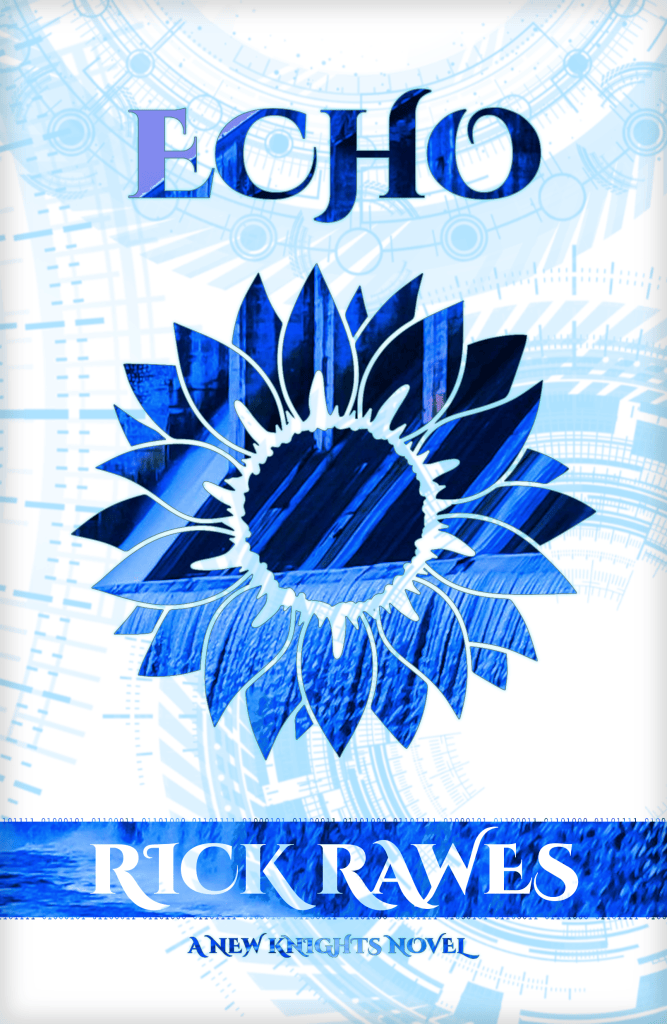
    Well, the first quarter of this year has gone by in a flurry, and I don’t think the next few are going to be much less. Beta episodes once a month, a short-story collection on 29th May and a new novel on July 3rd. Beyond that, writing continues and worlds continue to expand. The second half of 2026 will see the second collected volume, several more beta episodes released, and a new New Knights novel – Echo – in Late 2026.

    And then, eyes are turning towards 2027. The tenth year of independent publishing. Surprises, new releases. Some endings and some new beginnings. It’s going to be a biggie, and I’ll share it with you all in due course.

    Of course, if you happen to subscribe to the newsletter…who knows…could find out a little earlier. See what I did there? I’m told that’s calling to action.

    Never stop learning peeps. Peace & love y’all.

    Rick Rawes
    22nd March, 2026
    Leeds, West Yorkshire

  • ’til the End of the World returns today! Yes, everyone, the British YA Supernatural short-story/novella series continues into it’s third story “Fallout”.

    After the events of the two part opening stories, the world is changing. Mark, Ricky and now Sara are together preparing to fight the forces of evil – but aren’t exactly aligned on what that even means. Meanwhile, Calendar at large learns of the existence of the ancient cavern and the Alliance Stone – thinking it some old Celtic relic.

    So, a school trip for Mark and Amy to help out at the dig site sounds like a good idea, right? Well, for Miss Drake it does. For Mark…who knows the supernatural powers in play, it sounds like a powder keg. One in which the fallout may be deadly.

    Story 3, standing alone and yet continuing on storylines, will demonstrate more of what ’til the End of the World is. Not easy, not simple. A bit like growing up, eh?

    You can find everything here on the dedicated ’til the End of the World page. Share your thoughts on Facebook or Instagram!

    Peace & love y’all.

    Rick Rawes
    27th February, 2026
    Leeds, West Yorkshire

  • Photo by Adrien Daurenjou

    Warning: Today is about trauma and awareness. Not to be glib, but if just the mention of that is upsetting, don’t read on. I’m not going to discuss specific traumas or graphic detail in any way – but I am going to talk about what a bastard it is – and isn’t. So consider yourself forewarned.

    Trauma is a part of being alive. Perhaps some may say the price we pay for it. In a cold, cruel universe, I suppose there may be some truth in that. Perhaps trauma can be thought of less of the bad things that happen to us, and instead the forces and pressures that shape us into who we are. Oh dear, I think I’m a bad Rihanna record away from making an inspirational diamond metaphor.

    They reflect, by the way, dear.

    It seems to my humble mind that discussing ‘trauma’ has become far more common place. Growing up, we spoke of ‘baggage’ – the idea of an accumulated weight of experience. Like a family of five going to Alicante for two weeks, you tucked your rejections, your bullying, your emotional instability, and your grief, up next to your swimming trunks and sunscreen, and wheeled them behind you through duty free. Gets you a few dirty looks from Marget, as she gently caresses an oversized Toblerone, I tell you.

    Now we say trauma. Same diff. It’s a universal and completely valid part of existence, and let me be clear – it does matter. It all matters. Doesn’t matter what, the loss of a love one or getting stood up for a date for the third time that week. We don’t need to sit like the characters in Jaws and compare scars. The one with the biggest one gets eaten anyway (Sorry, spoiler alert).

    What matters and what makes it true, is that it sodding hurt, and in some way it shaped what came next. What is important, then, is how we define our relationship with it going forward – because that is within our control – and how we approach others from a place of awareness.

    My approach to trauma, both in life and in my writing is this, it is like how I think of time. The future is water vapour in the air. Sometimes dense enough and obvious enough to be seen, but not always. Intangible, but there. It condenses, unrelenting, into the present. The state in which it can be seen and touched and felt, running through our fingers. The motion slows, but there is motion. Malleable, the liquid present fills the vessel of what is, moulding into a shape. As motion slows it freezes into the past. Like ice, or glass, it solidifies behind us in a new fixed shape. It wrenches itself around the trauma, becoming imperfections we can look back and see. Trauma becomes this, the pattern we can see, each bit affecting the next as we move through states.

    This is perhaps the central point in my work that I repeatedly drive home – trauma accumulates. Many others reset, I don’t. My worlds and characters are forever changed by these events. Because I am. Because we are. So what do we do?

    We cope.

    For me, coping lies in the perspective – of comedy or tragedy. Was Romeo and Juliet a tragedy? Or a farce of two pimply teens missing each other’s DMs? Was Austin Powers a comedy? Or was it a one-man plus Liz Hurley crusade against a hard-working supervillain trying to provide for his grown up son, after years of estrangement?

    Humour, both in the novels I write and in my own life, is not something so easily attributable to a pseudo-psychological defence mechanism. That explanation is too simplistic. It is a choice, a perspective made out of a conscious decision. To see each and every thing for the bizarre and surreal truth of it.

    It is in laughing (while crying) in the crematorium, as over the tinny radio J-Lo dances the night away and Take That Relights their Fire with Lulu (true story, I shit you not). It is the choice, to turn and look back at the smoky, mucky glass of the past behind us, where that frozen history looks like a scream face, and doodle a couple of devil horns and a silly moustache.

    In this way humour, even the darkest, blackest most brutal of humour, is not only a way to cope. It is a way to be able to live.

    Hopefully you can see from this that I do not intend to belittle anyone’s experiences or minimise their pain. I seek to honour it, honestly and openly. To say it’s okay for laughter to go with loss, for pain to piece joy. They do not erase or diminish one another, they compliment. They, hand in hand with wandering steps and slow, through Eden make their solitary way.

    And perhaps behind them, time freezes with their footsteps.

    No plug or self promotion this time people, just hopefully an insight. I shared a little of the way I think, and maybe you do the same. I respect you, and I see you. And if you ever want to try my way for a bit, I can lend you a marker pen and we can go off doodling.

    Rick Rawes
    Friday 27th February, 2026
    Leeds, West Yorkshire

  • Image by Ylanite Koppens from Pixabay

    What is Love?

    What is love? (Baby don’t hurt me, no mo’ – sorry, couldn’t help myself). It is a fundamental question of human existence, and not one that anyone really knows. As abstract a concept as disappointment, and as real as the wind. And I’m not about to go all religious here either and argue that ‘God is love’ or any such thing. Instead, in honour of Valentine’s Day – which really exists only as an excuse to love – I’m going to talk through some thoughts about love that I’ve discovered myself having, while on these journeys to other worlds.

    Writing is itself an exercise in reflective exposure. You start with an idea that might sound cool – what if dragons were hot guys? As an example. Or, why does the Egyptian God Bastet never get any real acknowledgement in the world, when she’s a complete badass? As another example. Or even what happened if a sentient hamper took on killer alien wasps? Yes, that actually happened. I was like ten.

    But then you begin the process of writing, of imagining and creating worlds in which people walk that were nothing but smoke in the ether until you gave them life. And then they do things, and they meet people, and they go on great and grand adventures.

    Then you sit back, look at the worlds you’ve created and the stories you’ve told and you’ve realised what you have created reflects your inner truth. There are mirrors in what we write, the way we expose ourselves in the clothes we wear or the music we sing. The way we tell people who we are with gesture and spoken words, we do the same thing as writers. We say ‘this is me’, ugly and raw and beautiful like life itself.

    When you reach that realisation as an author, it can be quite jarring. Illuminating, painful, messy and truthful all in one. What my writing has revealed I believe about love is darker than what I would have said in my idealistic youth, but the more I think about it, the more it makes sense.

    Love is pain. Love is imperfect. Love is action. Love is choice.

    Love is Pain

    This is probably the most obvious and literature-ly well documented thesis on love. Love is pain. Whether you’re discussing Kate Bush’s Victorian sister running around the frigid moors in her nightie with what for all intents and purposes is a poor-Twilight-fan’s Edward the abuser; or crying along with good ol’ Buff when boffing her boyfriend turns into brutal slaughter; love is pain.

    This doesn’t mean that love automatically equals pain, I’m not advocating that all forms of love need to hurt for the sake of it – violence and abuse and love should not go hand in hand at all. Instead, love hurts simply because it does. Because it is vulnerability wrapped up in cotton wool and glass, being banged around in your satchel as you navigate the world.

    Love will include loss. To love something or someone, means to care – and caring in an indifferent world means to run the risk of losing it. To lose a lover to a wandering eye or a rapidly cooling bed, to lose a friend to an argument or disagreement, to lose a family member to the rampant march of time. And in end? When you reach the finish line hand in hand with the ones you’ve chosen to love? Either you have to leave, go through death’s door first, or they do.

    There is no escaping it, to love is to know one day it will be lost. And that hurts.

    And, of course, it’s also painful when you open the fridge to discover they ate the last pudding cup without telling you. There’s that too.

    Love is Imperfect

    Regardless of what anyone says, love of any kind is not perfect. It supersedes the self, because love is in part a connection. And while we can influence others, we can never truly control them. They are perfectly able to not love us back. They are absolutely able to hurt us, while claiming to love. They have their own mind and beautiful, wonderful soul and make their own decisions which often can disregard you or your feelings.

    And that’s okay.

    After all, if love is something that hurts, it is going to be imperfect. It is going to be waking up in the morning to a grumpy sod, when all you’ve done is be yourself. It is going to be the person who doesn’t choose you or doesn’t love you in the same way. Love can be in isolation, unrequited. Just ask any young gay or queer person, who falls deeply in love with someone they know they can’t have. Not because that love is not real, but because it is a type of love that won’t be returned.

    And that’s okay.

    When love is placed up on a pedestal, as some grand thing which cannot be anything but pure – it is false. Love itself can and should be broken, it should reflect us. After all, how can love redeem us, or give meaning to our lives, if it does not reflect us back to ourselves? If it is not as flawed and messy and contradictory as we are? I’m asking not because I have the answer, but because it’s what I believe.

    Love is Action

    We discuss love often as a feeling, an emotion. Neuroscientists would tell you, however, that love is a hormone storm. A flood of neurotransmitters and other chemicals that overwhelm our system. Attraction, dopamine-driven hard and fast. Cortisol, drops in serotonin, a shifting maelstrom that yanks us towards someone, and leads to craving harder than any drug. This settles, down into a long-term bonding, a love settled and re-enforced by endorphins, oxytocin, vasopressin, which keeps us cemented with someone who makes us feel safe.

    It’s amazing how that is both concrete and abstract. When we love, romantic or otherwise, we don’t stand there and think ‘Oooh, what a lovely bit of dopamine’ or ‘look at the endorphins on him’. I mean, most of us don’t, I may know a few fellow psychologists who are a different kettle of fish. So how do we know love’s presence?

    Through action.

    It is the holding of a hand through a scary medical procedure. It is the handing over of the last KitKat. It is the silence, rather than retort. And it is not always sacrifice or selfless. It is also in the inability to be there, to watch your heart break. It is in walking away, when hurt is all there is. It’s in the actions, small and large, grand sweeping gestures and soft touches that drive the connection. Without action, there is no motion, no change. Without motion there is no meaning – and you all know my thoughts on meaning.

    Love is Choice

    This is perhaps the most important one for me personally. Love is a force, as natural as the tides, which sweeps away all reason and leaves us a deeply fulfilled and broken shell. We are buffeted, repeatedly through our life, by the emotion and the action of love – chipping away at us. And we are well within our rights to walk away from it, or to sit down and refuse to move as love rolls over us. Because love ultimately is a decision.

    Whatever else you can say about it, and whatever your views on time and destiny, we have to treat our lives with the illusion of free will. We have to accept that to take any kind of responsibility or enjoyment in our life, that we must have agency over it. Love is the expression of that agency made manifest, choice and meaning given an emotional and neurological form.

    You may not make a conscious decision to choose to react chemically in the way you do. A parent bonded with a child is hormonal, an attraction instantaneous like a lightning strike, a heartbeat driven by fluttering desperate need. But you do choose the next step. The every day.

    Love is a choice you make every day. On the good days, when the world seems bright and beautiful. When sunshine and birds sing. On your wedding day, on every date night, in the times you laugh and think you’re the luckiest person in the world. You choose to enjoy these moments, to be present and to remember them. And the others.

    You choose to stay when things get hard. You choose to love when crying and heartbroken on the bathroom floor. You choose to let go when it destroys you both. You choose to defend someone when you know they are wrong. You choose to act or not act on desire as appropriate. You choose to be there at the end.

    And because you choose that, it is meaning. Sweet, and true, and perhaps the only real meaning there is.

    Don’t Hurt Me, No Mo’

    I get this is a bit of a departure and not exactly the puppy dogs and rainbows (or should I say mildly sarcastic and irreverent rants) that I usually do. I guess it’s because for me, I’ve realised love is less frivolous and more fundamental than I ever imagined. I’ve read back over my books one by one, and I’m amazed at what seeps through the pages.

    And if you’ve read all this with me and see love as something negative and to be feared, then I guess I haven’t made my point. This post has been serious, yes. Because love is serious. It is important. It deserves a perspective that is not sugar coated with chocolate covered strawberries but exposed for the necessary hurt that it is.

    I’ve said before, life’s only meaning is in the living of it. Meaning is motion, is change – another philosophy that smacked me in the face when looking back at the stories and worlds I’ve been inhabiting in this mad ol’ brain of mine. Love is motion, it is change. It transcends the self, and drives the world forward.

    And it can save it.

    If we choose pain. If we choose imperfection. If we choose to act. If we choose.

    Rick Rawes
    Thursday 19th February, 2026
    Leeds, West Yorkshire