
I’m taking a little break from the spookiness of the spooky season to consider one of fiction’s most common tropes, and one I use in my own work: family, both found and blood. Why do we keep returning to it? And what helps us writers to keep it fresh? Strangely enough, I’m going to take a leaf out of my ghost post’s book – don’t.
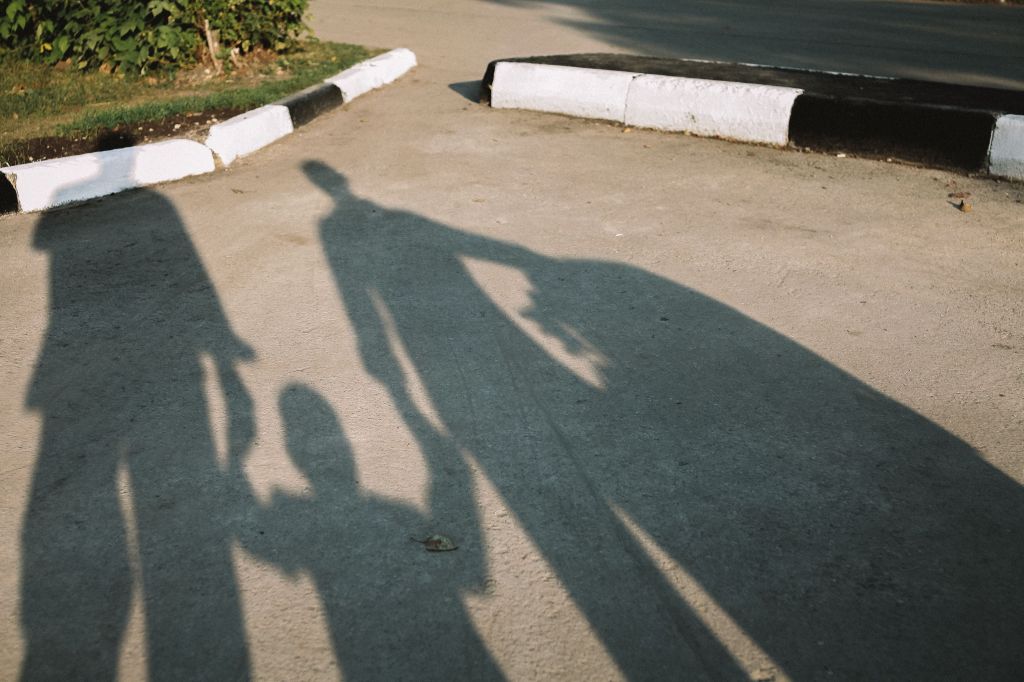
Family and Found Family in Fiction
Family is nothing new in fiction. Just consider an asthmatic wizard coughing into his black mask as he told someone whose hand he’d just chopped off that he was his dad. Or every single random child Sienna has on Hollyoaks, which, by now, I think even she might have lost track of. One of them must be surviving Predator-style with camo paint by now.
And found family, perhaps more so, especially in the urban-fantasy genre I often write. The idea that a group of individuals from very different walks and worlds can come together to stop the whooze-ya-ma-callit from ending the thing-y-ma-bob and in turn find out they are stronger together than they ever were apart. Heart-warming, right?
Connections are the cornerstone of fiction (and real life too, btw). Unless you’re writing a singular masterpiece centring around some lonely lighthouse keeper, then you’re likely to have more than one person in your book. And somewhere along the line they will have connections to other people in their lives. So a family isn’t necessarily about writing that sprawling family tree about Luke Skywalker’s third cousin twice removed on Endor. It’s about the relationships.
Consider the family relationships we remember the best. Darth Vader telling Luke he was daddy Sith didn’t just strike us because of the shock *twist*, but because of what it did to the relationship between them. Now there was a complex dynamic between villain and hero, between father and son. Questions of inheritance and legacy – would Luke turn to the Dark Side and follow in his father’s footsteps? Could Luke’s example of goodness and decency, and the stylistic changes from ESB to ROJ, prove that black could be slimming? Sorry, that should be ‘help his dad see there was still good in him’.
- Quick note: I will not subject the same literary analysis to Sienna. I will not stoop to that. Yet.
And of the found families? We don’t just remember Buffy and co because they were quirky young people fighting vampires. We remember them because of what they meant to each other. Yeah, there was quick, quippy chemistry between them. But we remember how Xander broke Willow’s heart, how Buffy had to reject him for his unrequited love. How Giles could deliver speeches about adulthood through comforting dramatic irony. Y’know, relationships.

My Works and Approach to Family
As a gay man (yes, I know, I hadn’t mentioned it for five minutes), the relationship with family and found family in my fiction takes on a different dimension. I have been remarkably lucky with my family and friendships after coming out, but I belong to a culture and a time that still remembers the complicated emotions and painful rejections that can come from both familial relationships and those we choose to stand beside.
And undoubtedly that comes through in my work. Some may say I have an almost pathological obsession with fathers (Rick and Artie both spring to mind from Heroes & Demons and Avalon respectively), but that is by no means the definition of family. Warmth, familiarity, and love can come from bonds of blood, Ellie and Artie’s reconciliation being one clear example.
But I’ll admit, found families do tend to be my focus. Perhaps because there’s something about relationships we choose that adds a deeper layer of complexity to what I like to write. Ensembles aren’t just teams, interchangeable heroes to smash the crap out of the bad guy. They’re messy, dysfunctional families that sometimes fight, sometimes stand beside each other, and sometimes make the end of your cigarette soggy from across the room.
And that’s why I think I enjoy writing them so much. Because if no one is obligated to hang around, and yes, I recognise not all families are built on that premise, then perhaps there are deeper reasons why X and Y, who are so completely different, stick around one another.
This likely is why Echo, the most recently released novel in the New Knights saga, focuses on family and found family in such a complex way. There, we have the legacy of the Vales, mother, daughter, father, and the father’s gay best mate, which turns what should have been a normal nanotech thriller into a family drama the likes of which martini-throwing socialites would have loved. And yet, somehow, found family remains an underlying theme.

A Few Final Thoughts
I think the ultimate point I’m getting to – admittedly in my meandering way – is that there is no one-size-fits-all approach to family and found family in fiction. There are many different paths to the same destination, and many avenues to explore.
It is not a trope that will go away overnight, nor do I think it should. Because we live in a social world where relationships are one of the key things that make us human. They allow us to exist in this increasingly complex and dangerous world without losing our minds. And so we should write about those relationships with honesty.
So keep writing found families. Keep writing blood families. Keep making fathers and sons fall out, and grizzly bears sit beside surrogate-nieces on riverbanks (yes, no context). Keep thinking about all the ways our own relationships shape who we are, and let that tapestry continue onto the page. If stories are simply reflections of who we are, then put to ink on paper: let’s keep recording the world as it is.
Maybe ultimately, in showing people everything a family can be, we might all finally begin to realise family is limitless. And the world, and its current conflicts, looks a heck of a lot different when we view it that way.
‘til the End
Rick Rawes
Leeds, West Yorkshire
16th October 2026


Leave a Reply